Skip to contentThe Volcano
Circle
Explore the circleMapStoriesAbout
The Volcano Circle
DestinationsMapStoriesAbout
© 2026 The Volcano Circle
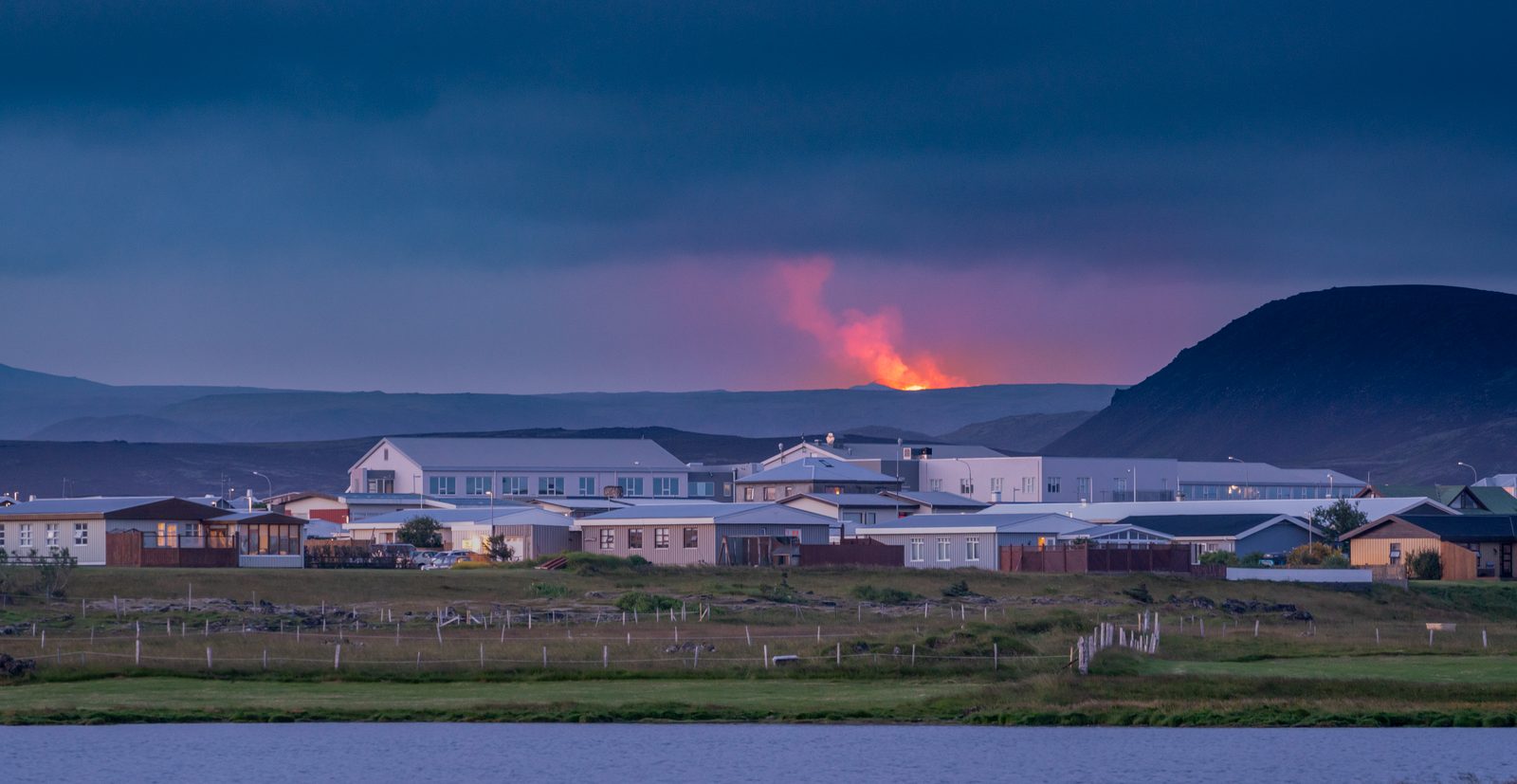
Grindavík with a volcanic eruption in the distance
  1. Home
  2. Destinations
  3. Grindavík
Stop 06

Grindavík

Grindavík is a fishing town on the Reykjanes Peninsula that has experienced significant volcanic activity in recent years. Explore the harbour, see cooled lava and fissures, enjoy local seafood, or visit nearby attractions. Allow 1–3 hours for a visit, or stay overnight while exploring the Volcano Circle.

All places Route map

At a glance

Accessibility
Wheelchair-accessible in most parts of town
Family-friendly
Suitable for families with close supervision
Time needed
1–3 hours
Walking difficulty
Easy around the town
Facilities
Restaurants, shops, parking & petrol stations
Seasonality
Year-round

Grindavík

  1. 01What Happened to Grindavík in Iceland?
  2. 02Is Grindavík Safe to Visit Today?
  3. 03Grindavík, in pictures.
  4. 04What Can Travellers See and Do at Grindavík?
  5. 05How Can You Reach Grindavík, Iceland?
  6. 06Route map
  7. 07What Should You Be Aware of in Grindavík?
  8. 08Can You Visit Grindavík Anytime?
  9. 09What More Can You See Around Grindavík, Iceland?
  10. 10Where Does Grindavík Fit on the Volcano Circle?
  11. 11Frequently asked questions
  12. 12Next stops.

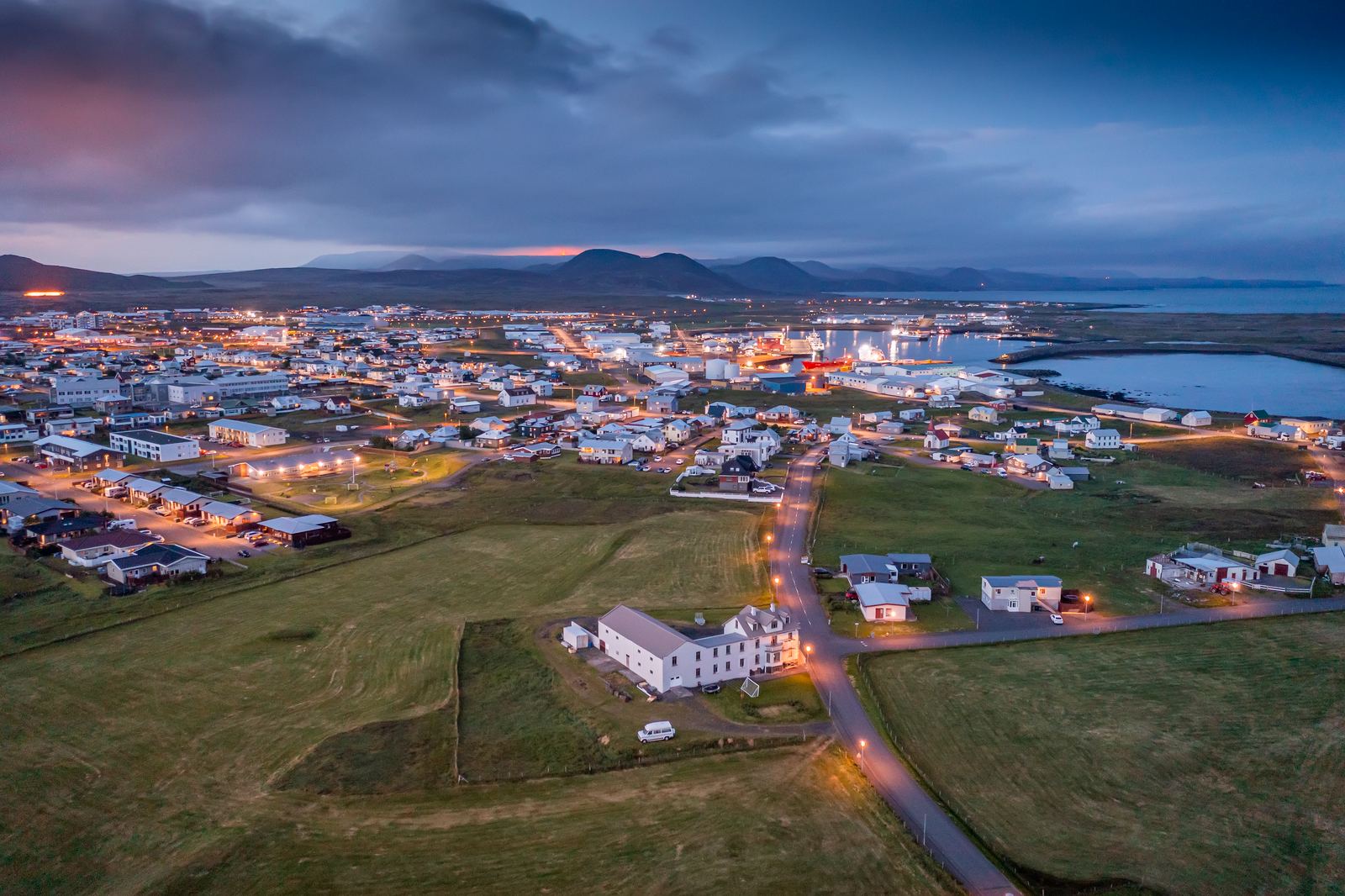
Grindavík is a small fishing town surrounded by black lava fields on Iceland’s Reykjanes Peninsula. For generations, life here has revolved around the harbour and fishing industry. More recently, the town has become closely associated with Iceland’s ongoing volcanic activity.

After earthquakes forced an evacuation in November 2023, several volcanic eruptions occurred near Grindavík. Lava flows, fissures, and ground movement have since changed parts of the town and surrounding landscape.

Today, Grindavík is open to visitors, with local businesses and attractions gradually returning. A visit offers a chance to learn about its fishing heritage, see recent geological changes, and support the local community.

What Happened to Grindavík in Iceland?

Grindavík sits in one of Iceland’s most geologically active regions. The Reykjanes Peninsula lies along the Mid-Atlantic Ridge, where the North American and Eurasian tectonic plates are moving apart. This movement contributes to earthquakes, fissures, and volcanic eruptions across the peninsula.

In November 2023, a dramatic series of events began that would reshape the town and attract international attention. Here’s a quick look at what happened:

  • 10 November 2023: Intense seismic activity and magma movement beneath the town led to Grindavík’s evacuation. Nearly 3,800 residents were ordered to leave their homes as a precaution.

  • 18 December 2023: The first eruption in the current Sundhnúkur sequence began north of Grindavík.

  • 14 January 2024: Another eruption opened fissures much closer to town. Lava entered Grindavík and destroyed three homes.

  • Throughout 2024: Further eruptions sent lava across the surrounding area, affecting roads and infrastructure. Protective barriers were built to help divert lava away from Grindavík.

  • 21 October 2024: Grindavík reopened to the general public. 

Later volcanic activity has occasionally led to temporary evacuations and access restrictions, particularly from July to August of 2025.

These events have left visible marks across Grindavík and the surrounding landscape. Today, you can see cooled black lava fields, ground deformation, protective barriers, and other signs of recent volcanic activity.

Is Grindavík Safe to Visit Today?

Yes, Grindavík is currently open to visitors. Restaurants, shops, and other services have reopened, but some facilities remain closed due to damage from recent volcanic activity.

Conditions around Grindavík are closely monitored by Icelandic authorities. Visitors should check SafeTravel and official road information before travelling, as access can change if volcanic or seismic activity increases. Always follow local signs, closures, and restrictions during your visit.

Grindavík, in pictures.

Grindavík photos

What Can Travellers See and Do at Grindavík?

Grindavík offers more than a look at recent volcanic events. Spend some time exploring the town to discover its fishing heritage, coastal scenery, and small yet warm community.

1. See the effects of recent volcanic activity 

Recent volcanic activity has left visible marks across Grindavík. You can see cooled black lava, protective barriers, damaged roads, and deep cracks in several parts of town. Some of the most notable places include:

  • Efrahóp Street: Here, cooled lava reaches into a residential neighbourhood, showing just how close the 2024 lava flow came to homes. Part of the area remains fenced off.

  • Víkurbraut Street: Walk along this street to see cracks and fissures left by the ground movement beneath Grindavík. Some sections show just how dramatically the ground shifted.

  • The Salt House (Salthúsið): Once a well-known local restaurant, Salthúsið now sits across Stamphólsgjá. The old fissure tore wider and ran directly through the building. The site is fenced off, but you can see it from the street.

You can explore these locations on your own, but stay behind fences and away from unstable ground. For another perspective, visit the Reykjanes Vaknar Photo Exhibition near Salthúsið, which documents the eruptions and their impact on Grindavík. You can also join a guided tour to hear first-hand stories from a local.

2. Explore Grindavík Harbour and try local seafood

Before recent volcanic events brought Grindavík international attention, the town was better known for its fishing industry. Grindavík has been an important fishing station since medieval times, and the harbour remains at the heart of local life.

Walk around the harbour to watch fishing boats come and go and see the working docks. Afterwards, stop for a meal at one of Grindavík’s local restaurants:

  • Fish House Bar & Grill: A casual spot serving fresh fish, seafood, burgers, and other grilled dishes.

  • Papas’ Restaurant: Best known for pizza, with seafood and meat dishes also on the menu.

  • Café Bryggjan: A cosy harbour-side café known for its lobster soup and views of the working harbour.

3. Visit the Saltfish Museum at Kvikan

Kvikan, Grindavík’s cultural house, is home to the Saltfish Museum. Its Saltfish in the History of the Nation exhibition explores how Icelanders caught, prepared, and exported salted cod. Displays, photographs, and historical objects offer a closer look at this important part of Icelandic fishing history.

Note: The museum is temporarily closed. Check for reopening updates before your visit.

4. Walk along the coast of Hópsnes Peninsula

From Grindavík Harbour, you can follow a coastal trail towards Hópsnes and Þórkötlustaðanes. The peninsula stretches for around 2 km (1.2 mi), with plenty to look out for along the way.

You can see old shipwrecks along the shore, visit Hópsnes Lighthouse, and explore the remains of Þórkötlustaðahverfi, an old fishing settlement. You may also spot sheep roaming around and Icelandic horses grazing nearby.

5. Soak in Grindavík’s local swimming pool

After exploring Grindavík, slow down with a visit to Sundlaug Grindavíkur (Grindavík Swimming Pool). You can swim in the 25-m outdoor pool or relax in the hot tubs. There’s also a cold pool, sauna, children’s pool, and waterslide available.

The pool currently opens Monday and Wednesday from 16:00–20:00, and Saturday from 12:00–17:00. Remember to shower without your swimsuit before entering the water, as is standard at Icelandic swimming pools.
How Can You Reach Grindavík, Iceland?

Grindavík is around 50 km (31 miles) from Reykjavík, or about a 45–50-minute drive. From Keflavík International Airport, it’s around 25 km (16 miles) and takes roughly 25–30 minutes.

Three paved roads connect Grindavík with the rest of the Reykjanes Peninsula:

  • Route 43 (Grindavíkurvegur): The main route from Reykjavík and the Blue Lagoon. This is usually the most direct choice when approaching from the north.

  • Road 425 (Nesvegur): A convenient option from Keflavík Airport. This also continues west towards attractions such as Gunnuhver and Reykjanesviti.

  • Road 427 (Suðurstrandarvegur): The eastern approach, useful if you’re travelling from Þorlákshöfn or exploring the southern coast of the Reykjanes Peninsula.

The roads are paved, so a regular 2WD car is suitable in normal conditions. However, weather and volcanic activity can affect access. Lava has crossed Route 43 several times in recent years, so check current road conditions before setting out.

Route map

Grindavík is highlighted. Explore nearby stops and follow the road around the circle.

Calculating the mapped drive…

Preparing the route map…

What Should You Be Aware of in Grindavík?

Conditions around Grindavík can change because of volcanic and seismic activity. The town remains under an uncertainty-level Civil Protection status as of September 2026.

Before visiting:

  • Check SafeTravel and current road conditions

  • Follow all closures, barriers, and warning signs

  • Stay on designated paths around affected areas

  • Keep away from cracks and unstable ground

  • Leave immediately if authorities instruct visitors to evacuate

For more information, check Grindavík’s official natural hazards preparedness page before your visit. It provides hazard information, evacuation guidance, and other useful safety resources. 

Important: In case of emergency, call 112, Iceland’s emergency number.

Remember that Grindavík is also home to residents who have returned after a major natural disaster. Respect private property and do not enter damaged or abandoned buildings.

Can You Visit Grindavík Anytime?

Grindavík can be visited year-round when access is open. Summer offers longer daylight and generally easier conditions for exploring the coast. Winter brings shorter days and colder weather, so allow more time and keep an eye on the forecast.

Volcanic conditions matter more than the season; always check the latest information before travelling.

What More Can You See Around Grindavík, Iceland?

Grindavík is a convenient starting point for exploring more of the Reykjanes Peninsula. Within a short drive, you can reach geothermal areas, lava fields, volcanic sites, and coastal landmarks. 

Some of the best places to add to your route include:

  • Blue Lagoon: Relax in one of Iceland’s most famous geothermal spas, located north of Grindavík.

  • Brimketill Lava Rock Pool: See a natural rock pool carved into the lava coastline by the Atlantic Ocean.

  • Fagradalsfjall Volcano: Explore the area shaped by the volcanic eruptions that began on the Reykjanes Peninsula in 2021.

  • Krýsuvíkurberg Cliffs: Walk along dramatic sea cliffs known for their coastal scenery and nesting seabirds.

  • Gunnuhver Hot Springs: See an active geothermal area filled with steam vents, hot springs, fumaroles, and bubbling mud pools.

Where Does Grindavík Fit on the Volcano Circle?

Grindavík is often treated as a convenient stop to rest, refuel, or grab a meal while exploring the Reykjanes Peninsula. Its central location certainly makes it a natural mid-route break on the Volcano Circle Iceland.

But Grindavík deserves more than a quick stop. The town offers some of the clearest evidence of just how powerful Iceland’s volcanic activity can be. Cracks, cooled lava, protective barriers, and damaged areas reveal the physical impact of recent eruptions. Visiting the town also shows what these natural forces can mean for the people who live nearby.

Take some time to explore the town, walk around the harbour, and learn about its recent history. You can even stay overnight before continuing your journey around the peninsula.

Frequently asked questions

Yes, Grindavík can be visited year-round when access is open. Summer offers longer daylight and generally easier conditions for exploring the coast. Winter brings shorter days and colder weather, so allow more time and keep an eye on the forecast.

Volcanic conditions matter more than the season; always check the latest information before travelling.

Yes, some residents have returned to Grindavík, although many former residents continue to live elsewhere. The population remains much smaller than before the November 2023 evacuation.

There’s no continuous lava flow in Grindavík, but the Reykjanes Peninsula remains volcanically active, and new eruptions can occur. Check the latest SafeTravel and Icelandic Meteorological Office updates before visiting.

Yes, Grindavík lies within an active volcanic region. The Sundhnúkur Crater Row north of town has produced repeated fissure eruptions since December 2023.

Allow around 1–3 hours to explore Grindavík. Stay longer if you want to visit the local swimming pool or explore the Hópsnes Peninsula.

Yes, you can stay overnight in Grindavík. The town has several accommodation options, including guesthouses, apartments, cottages, and a campsite.

Next stops.
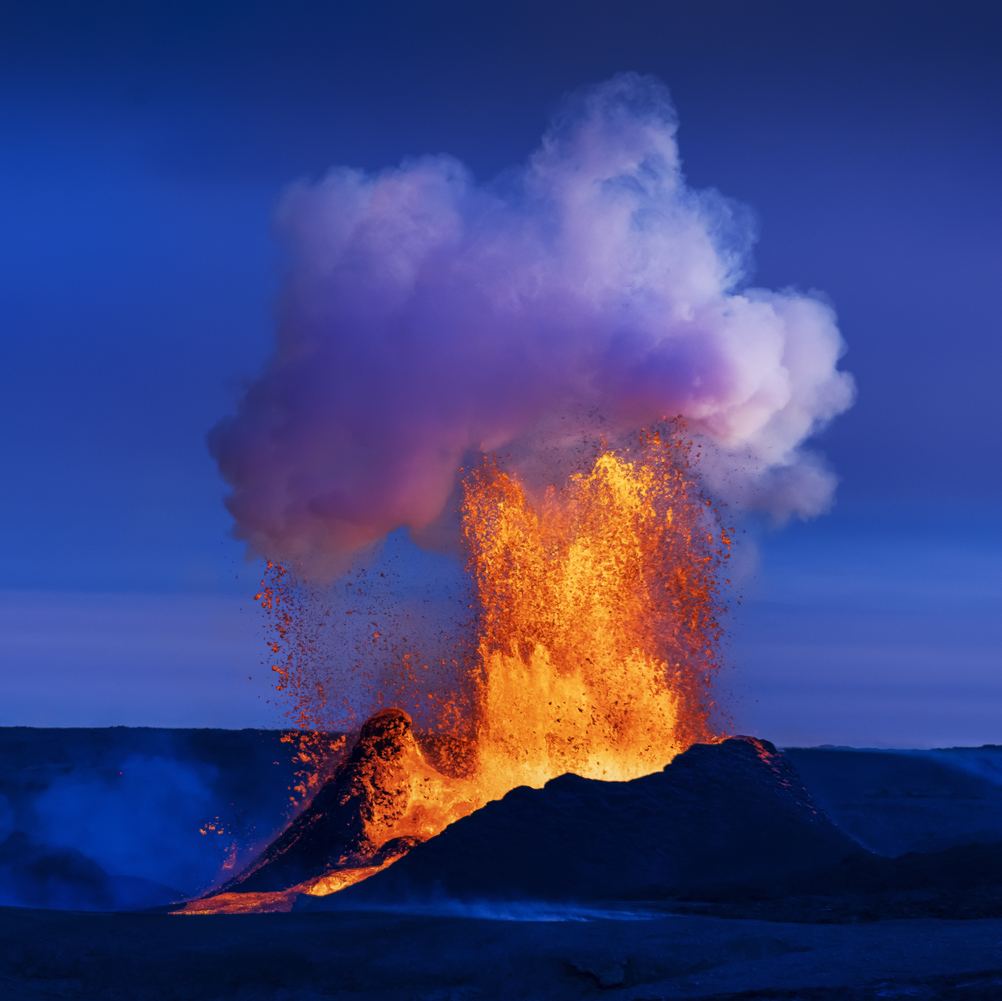
Lava erupting at Fagradalsfjall beneath a blue sky05

Fagradalsfjall

Fagradalsfjall is known for the volcanic eruptions that created new lava fields between 2021 and 2023. Today, you can hike marked trails to viewpoints overlooking the eruption sites and solidified lava. Allow 3–6 hours, wear proper hiking gear, and always check current conditions before visiting.

Discover
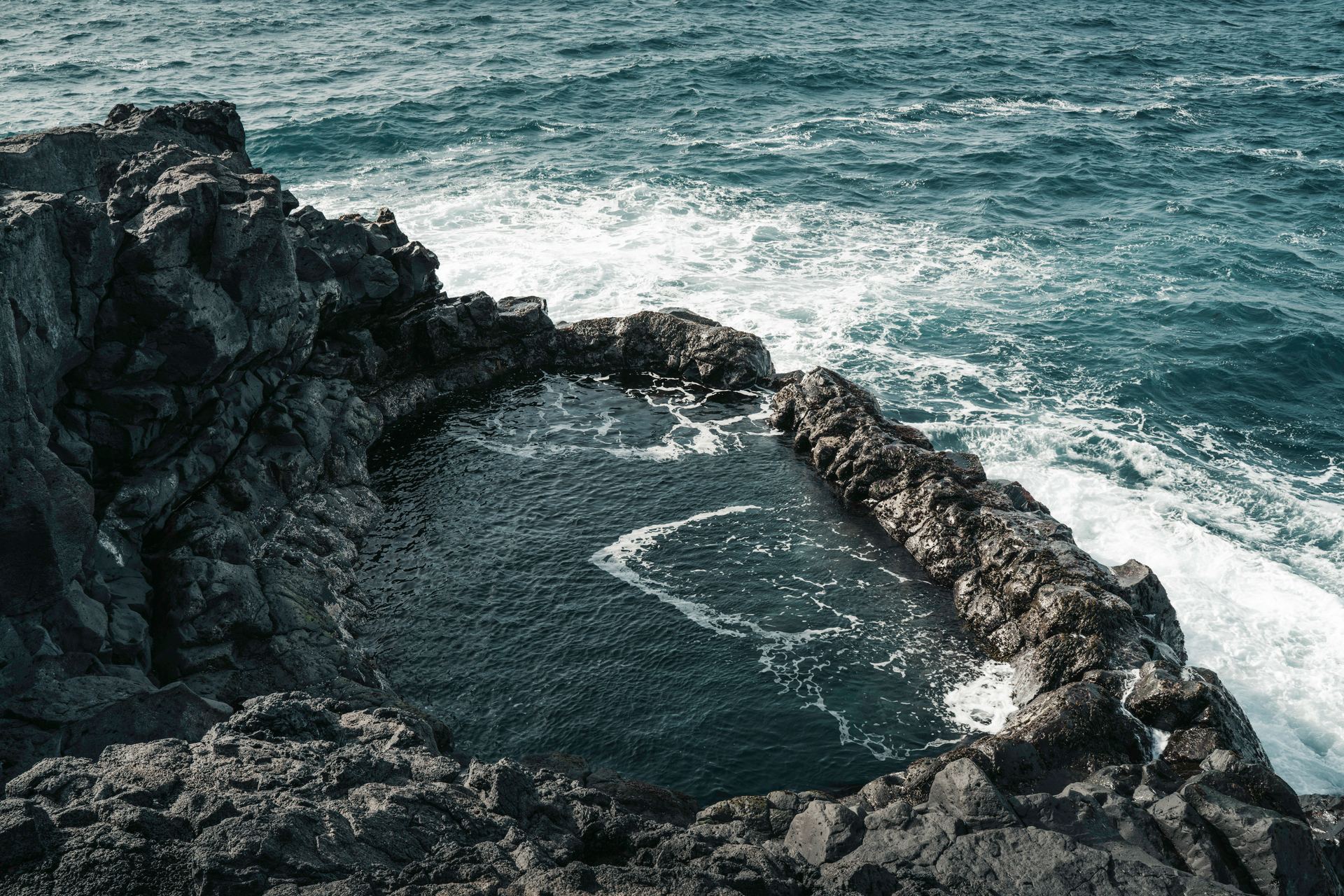
Brimketill lava rock pool on the Atlantic coast07

Brimketill

See a naturally formed coastal rock pool where Atlantic waves meet the lava shoreline.

Discover
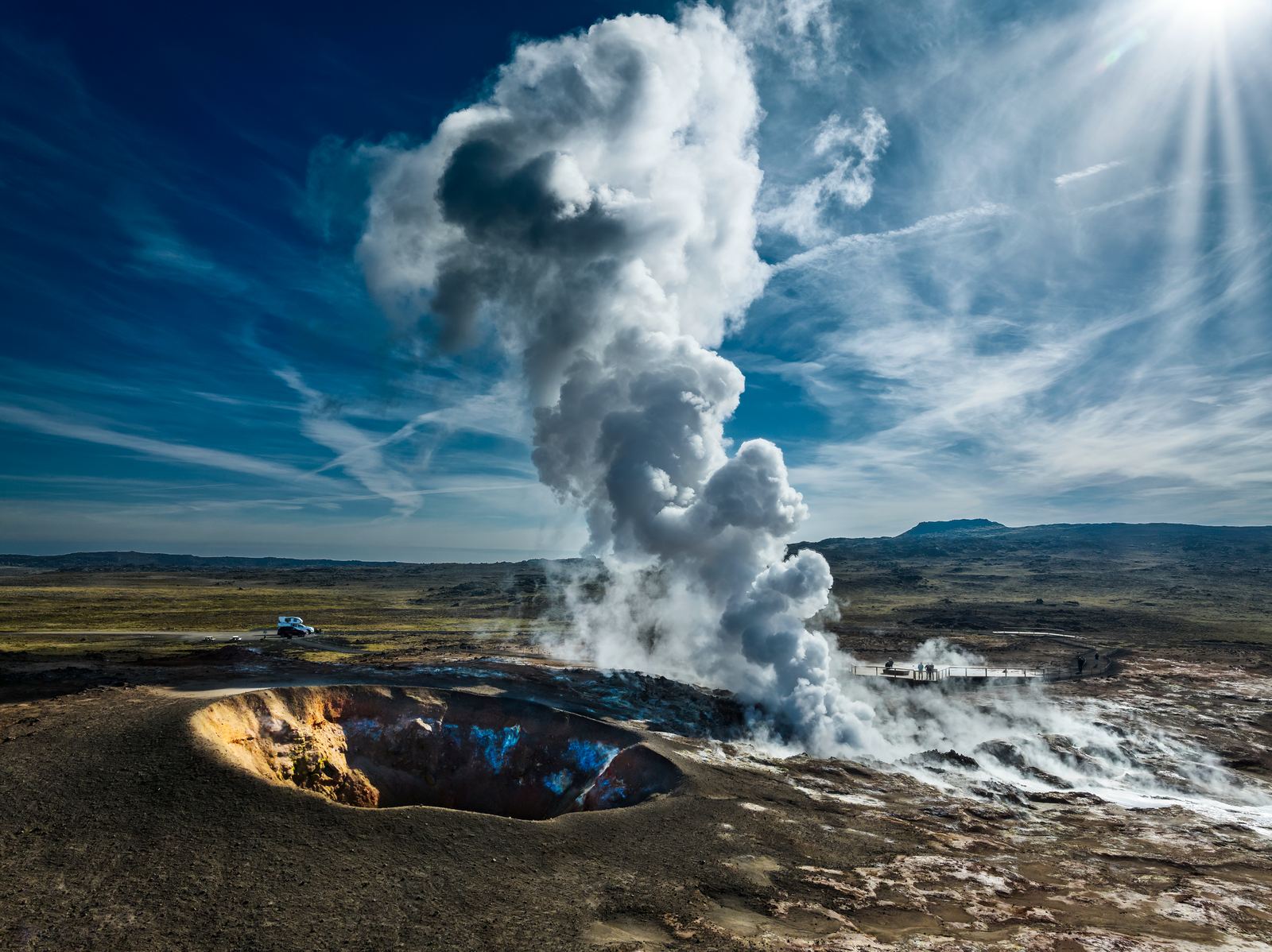
Steam rising from Gunnuhver beneath dramatic clouds08

Gunnuhver

See the steam vents and mud pools of Gunnuhver, near the southwestern tip of Reykjanes.

Discover
Grindavík with a volcanic eruption in the distance
  1. Home
  2. Destinations
  3. Grindavík
Stop 07

Grindavík

Grindavík is a fishing town on the Reykjanes Peninsula that has experienced significant volcanic activity in recent years. Explore the harbour, see cooled lava and fissures, enjoy local seafood, or visit nearby attractions. Allow 1–3 hours for a visit, or stay overnight while exploring the Volcano Circle.

All places Route map

At a glance

Accessibility
Wheelchair-accessible in most parts of town
Family-friendly
Suitable for families with close supervision
Time needed
1–3 hours
Walking difficulty
Easy around the town
Facilities
Restaurants, shops, parking & petrol stations
Seasonality
Year-round

Grindavík

  1. 01What Happened to Grindavík in Iceland?
  2. 02Is Grindavík Safe to Visit Today?
  3. 03Grindavík, in pictures.
  4. 04What Can Travellers See and Do at Grindavík?
  5. 05How Can You Reach Grindavík, Iceland?
  6. 06Route map
  7. 07What Should You Be Aware of in Grindavík?
  8. 08Can You Visit Grindavík Anytime?
  9. 09What More Can You See Around Grindavík, Iceland?
  10. 10Where Does Grindavík Fit on the Volcano Circle?
  11. 11Frequently asked questions
  12. 12Next stops.

Grindavík is a small fishing town surrounded by black lava fields on Iceland’s Reykjanes Peninsula. For generations, life here has revolved around the harbour and fishing industry. More recently, the town has become closely associated with Iceland’s ongoing volcanic activity.

After earthquakes forced an evacuation in November 2023, several volcanic eruptions occurred near Grindavík. Lava flows, fissures, and ground movement have since changed parts of the town and surrounding landscape.

Today, Grindavík is open to visitors, with local businesses and attractions gradually returning. A visit offers a chance to learn about its fishing heritage, see recent geological changes, and support the local community.

What Happened to Grindavík in Iceland?

Grindavík sits in one of Iceland’s most geologically active regions. The Reykjanes Peninsula lies along the Mid-Atlantic Ridge, where the North American and Eurasian tectonic plates are moving apart. This movement contributes to earthquakes, fissures, and volcanic eruptions across the peninsula.

In November 2023, a dramatic series of events began that would reshape the town and attract international attention. Here’s a quick look at what happened:

  • 10 November 2023: Intense seismic activity and magma movement beneath the town led to Grindavík’s evacuation. Nearly 3,800 residents were ordered to leave their homes as a precaution.

  • 18 December 2023: The first eruption in the current Sundhnúkur sequence began north of Grindavík.

  • 14 January 2024: Another eruption opened fissures much closer to town. Lava entered Grindavík and destroyed three homes.

  • Throughout 2024: Further eruptions sent lava across the surrounding area, affecting roads and infrastructure. Protective barriers were built to help divert lava away from Grindavík.

  • 21 October 2024: Grindavík reopened to the general public. 

Later volcanic activity has occasionally led to temporary evacuations and access restrictions, particularly from July to August of 2025.

These events have left visible marks across Grindavík and the surrounding landscape. Today, you can see cooled black lava fields, ground deformation, protective barriers, and other signs of recent volcanic activity.

Is Grindavík Safe to Visit Today?

Yes, Grindavík is currently open to visitors. Restaurants, shops, and other services have reopened, but some facilities remain closed due to damage from recent volcanic activity.

Conditions around Grindavík are closely monitored by Icelandic authorities. Visitors should check SafeTravel and official road information before travelling, as access can change if volcanic or seismic activity increases. Always follow local signs, closures, and restrictions during your visit.

Grindavík, in pictures.

Grindavík photos

What Can Travellers See and Do at Grindavík?

Grindavík offers more than a look at recent volcanic events. Spend some time exploring the town to discover its fishing heritage, coastal scenery, and small yet warm community.

1. See the effects of recent volcanic activity 

Recent volcanic activity has left visible marks across Grindavík. You can see cooled black lava, protective barriers, damaged roads, and deep cracks in several parts of town. Some of the most notable places include:

  • Efrahóp Street: Here, cooled lava reaches into a residential neighbourhood, showing just how close the 2024 lava flow came to homes. Part of the area remains fenced off.

  • Víkurbraut Street: Walk along this street to see cracks and fissures left by the ground movement beneath Grindavík. Some sections show just how dramatically the ground shifted.

  • The Salt House (Salthúsið): Once a well-known local restaurant, Salthúsið now sits across Stamphólsgjá. The old fissure tore wider and ran directly through the building. The site is fenced off, but you can see it from the street.

You can explore these locations on your own, but stay behind fences and away from unstable ground. For another perspective, visit the Reykjanes Vaknar Photo Exhibition near Salthúsið, which documents the eruptions and their impact on Grindavík. You can also join a guided tour to hear first-hand stories from a local.

2. Explore Grindavík Harbour and try local seafood

Before recent volcanic events brought Grindavík international attention, the town was better known for its fishing industry. Grindavík has been an important fishing station since medieval times, and the harbour remains at the heart of local life.

Walk around the harbour to watch fishing boats come and go and see the working docks. Afterwards, stop for a meal at one of Grindavík’s local restaurants:

  • Fish House Bar & Grill: A casual spot serving fresh fish, seafood, burgers, and other grilled dishes.

  • Papas’ Restaurant: Best known for pizza, with seafood and meat dishes also on the menu.

  • Café Bryggjan: A cosy harbour-side café known for its lobster soup and views of the working harbour.

3. Visit the Saltfish Museum at Kvikan

Kvikan, Grindavík’s cultural house, is home to the Saltfish Museum. Its Saltfish in the History of the Nation exhibition explores how Icelanders caught, prepared, and exported salted cod. Displays, photographs, and historical objects offer a closer look at this important part of Icelandic fishing history.

Note: The museum is temporarily closed. Check for reopening updates before your visit.

4. Walk along the coast of Hópsnes Peninsula

From Grindavík Harbour, you can follow a coastal trail towards Hópsnes and Þórkötlustaðanes. The peninsula stretches for around 2 km (1.2 mi), with plenty to look out for along the way.

You can see old shipwrecks along the shore, visit Hópsnes Lighthouse, and explore the remains of Þórkötlustaðahverfi, an old fishing settlement. You may also spot sheep roaming around and Icelandic horses grazing nearby.

5. Soak in Grindavík’s local swimming pool

After exploring Grindavík, slow down with a visit to Sundlaug Grindavíkur (Grindavík Swimming Pool). You can swim in the 25-m outdoor pool or relax in the hot tubs. There’s also a cold pool, sauna, children’s pool, and waterslide available.

The pool currently opens Monday and Wednesday from 16:00–20:00, and Saturday from 12:00–17:00. Remember to shower without your swimsuit before entering the water, as is standard at Icelandic swimming pools.

How Can You Reach Grindavík, Iceland?

Grindavík is around 50 km (31 miles) from Reykjavík, or about a 45–50-minute drive. From Keflavík International Airport, it’s around 25 km (16 miles) and takes roughly 25–30 minutes.

Three paved roads connect Grindavík with the rest of the Reykjanes Peninsula:

  • Route 43 (Grindavíkurvegur): The main route from Reykjavík and the Blue Lagoon. This is usually the most direct choice when approaching from the north.

  • Road 425 (Nesvegur): A convenient option from Keflavík Airport. This also continues west towards attractions such as Gunnuhver and Reykjanesviti.

  • Road 427 (Suðurstrandarvegur): The eastern approach, useful if you’re travelling from Þorlákshöfn or exploring the southern coast of the Reykjanes Peninsula.

The roads are paved, so a regular 2WD car is suitable in normal conditions. However, weather and volcanic activity can affect access. Lava has crossed Route 43 several times in recent years, so check current road conditions before setting out.

Route map

Grindavík is highlighted. Explore nearby stops and follow the road around the circle.

Calculating the mapped drive…

Explore the circle

Loading the location map…

Grindavík with a volcanic eruption in the distance
Harbour town

Grindavík

Grindavík is a fishing town on the Reykjanes Peninsula that has experienced significant volcanic activity in recent years. Explore the harbour, see cooled lava and fissures, enjoy local seafood, or visit nearby attractions. Allow 1–3 hours for a visit, or stay overnight while exploring the Volcano Circle.

Explore this stop

What Should You Be Aware of in Grindavík?

Conditions around Grindavík can change because of volcanic and seismic activity. The town remains under an uncertainty-level Civil Protection status as of September 2026.

Before visiting:

  • Check SafeTravel and current road conditions

  • Follow all closures, barriers, and warning signs

  • Stay on designated paths around affected areas

  • Keep away from cracks and unstable ground

  • Leave immediately if authorities instruct visitors to evacuate

For more information, check Grindavík’s official natural hazards preparedness page before your visit. It provides hazard information, evacuation guidance, and other useful safety resources. 

Important: In case of emergency, call 112, Iceland’s emergency number.

Remember that Grindavík is also home to residents who have returned after a major natural disaster. Respect private property and do not enter damaged or abandoned buildings.

Can You Visit Grindavík Anytime?

Grindavík can be visited year-round when access is open. Summer offers longer daylight and generally easier conditions for exploring the coast. Winter brings shorter days and colder weather, so allow more time and keep an eye on the forecast.

Volcanic conditions matter more than the season; always check the latest information before travelling.

What More Can You See Around Grindavík, Iceland?

Grindavík is a convenient starting point for exploring more of the Reykjanes Peninsula. Within a short drive, you can reach geothermal areas, lava fields, volcanic sites, and coastal landmarks. 

Some of the best places to add to your route include:

  • Blue Lagoon: Relax in one of Iceland’s most famous geothermal spas, located north of Grindavík.

  • Brimketill Lava Rock Pool: See a natural rock pool carved into the lava coastline by the Atlantic Ocean.

  • Fagradalsfjall Volcano: Explore the area shaped by the volcanic eruptions that began on the Reykjanes Peninsula in 2021.

  • Krýsuvíkurberg Cliffs: Walk along dramatic sea cliffs known for their coastal scenery and nesting seabirds.

  • Gunnuhver Hot Springs: See an active geothermal area filled with steam vents, hot springs, fumaroles, and bubbling mud pools.

Where Does Grindavík Fit on the Volcano Circle?

Grindavík is often treated as a convenient stop to rest, refuel, or grab a meal while exploring the Reykjanes Peninsula. Its central location certainly makes it a natural mid-route break on the Volcano Circle Iceland.

But Grindavík deserves more than a quick stop. The town offers some of the clearest evidence of just how powerful Iceland’s volcanic activity can be. Cracks, cooled lava, protective barriers, and damaged areas reveal the physical impact of recent eruptions. Visiting the town also shows what these natural forces can mean for the people who live nearby.

Take some time to explore the town, walk around the harbour, and learn about its recent history. You can even stay overnight before continuing your journey around the peninsula.

Frequently asked questions

Yes, Grindavík can be visited year-round when access is open. Summer offers longer daylight and generally easier conditions for exploring the coast. Winter brings shorter days and colder weather, so allow more time and keep an eye on the forecast.

Volcanic conditions matter more than the season; always check the latest information before travelling.

Yes, some residents have returned to Grindavík, although many former residents continue to live elsewhere. The population remains much smaller than before the November 2023 evacuation.

There’s no continuous lava flow in Grindavík, but the Reykjanes Peninsula remains volcanically active, and new eruptions can occur. Check the latest SafeTravel and Icelandic Meteorological Office updates before visiting.

Yes, Grindavík lies within an active volcanic region. The Sundhnúkur Crater Row north of town has produced repeated fissure eruptions since December 2023.

Allow around 1–3 hours to explore Grindavík. Stay longer if you want to visit the local swimming pool or explore the Hópsnes Peninsula.

Yes, you can stay overnight in Grindavík. The town has several accommodation options, including guesthouses, apartments, cottages, and a campsite.

Next stops.

Lava erupting at Fagradalsfjall beneath a blue sky08

Fagradalsfjall

Fagradalsfjall is known for the volcanic eruptions that created new lava fields between 2021 and 2023. Today, you can hike marked trails to viewpoints overlooking the eruption sites and solidified lava. Allow 3–6 hours, wear proper hiking gear, and always check current conditions before visiting.

Discover
Brimketill lava rock pool on the Atlantic coast06

Brimketill

See a naturally formed coastal rock pool where Atlantic waves meet the lava shoreline.

Discover
Steam rising from Gunnuhver beneath dramatic clouds05

Gunnuhver

See the steam vents and mud pools of Gunnuhver, near the southwestern tip of Reykjanes.

Discover